
Adams County Mosquitoes Test Positive for West Nile and Cache Valley Viruses
July 31, 2026
 Launch the media gallery 1 player
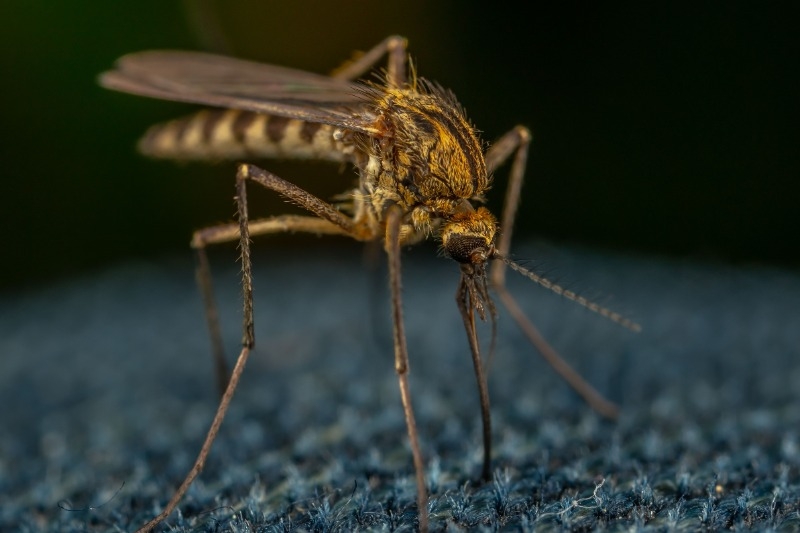
Hastings, Nebraska – South Heartland District Health Department (SHDHD) executive director Michele Bever reported the most recent collections of mosquitoes trapped in Adams County on July 21, 2026, have tested positive for two different viruses. One sample of mosquitoes tested positive for West Nile virus (WNV) and two samples of mosquitoes tested positive for Cache Valley virus (CVV). DHHS began testing mosquitoes for CVV in 2024.
“We’ve had a couple of trap collections with record numbers of mosquitoes this summer, which probably does not surprise anyone who has spent time outside. However, this is the first week of the season with any positive results from tests to detect mosquito-carried viruses in mosquitoes trapped in Adams County,” Bever reported.
“This is the second year in a row that CVV has been detected in mosquitoes from our district,” she said.
According to the Nebraska Department of Health and Human Services, CVV is endemic to (permanently present in) the U.S. and, like WNV, is spread to people by infected mosquitoes. Human disease from CVV is rare, but can result in neuroinvasive diseases, such as infection of the brain (encephalitis) or the lining around the brain and spinal cord (meningitis), and can result in long-term symptoms and death. Initial symptoms can include fever, headache, nausea, vomiting, fatigue, and sometimes rash.
CVV is also known to cause reproductive disease in animals, primarily sheep, but also cattle and goats leading to stillbirths and birth defects in those animals if they are infected in a specific period during pregnancy.
Bever said there are no vaccines to prevent or medicines to treat WNV illness or CVV illness in humans.
“You can reduce your risk of becoming infected with West Nile virus and CVV by reducing your exposure to mosquito bites.” Bever said. “’Fight the bite’ by using an EPA-registered repellent and wearing long-sleeved shirts and long pants, especially when you are outdoors between dusk and dawn when mosquitoes are most active,” she said.
The health department also recommends draining standing water every few days to reduce sites for mosquitoes to breed. Items or surfaces that collect or hold water, such as bird baths, child swimming pools, pet bowls, tires, or flower pots can become mosquito breeding sites if not drained periodically.
Jeff Hassenstab, Director of Parks & Recreation with the City of Hastings, reported mosquito control efforts began July 2nd, including adulticide fogging efforts. City officials said adulticide fogging will continue in parks, around schools, and roadways in the evening and early morning time frames when weather allows. In addition to fogging, larvicide treatments are taking place to treat standing water areas within the city limits.
Bever noted the department had collected 32,248 mosquitoes in traps on July 6, compared to only 2,352 mosquitoes collected in the most recent trapping on July 21.
Nebraska local health departments partner with the Nebraska Department of Health and Human Services (NDHHS) and the Nebraska Public Health Lab to trap and test mosquitoes in the counties designated by NDHHS. Adams County is the designated trapping county in the South Heartland health district, which includes Adams, Clay, Nuckolls and Webster counties. Trapping occurs every other week, typically ending in late September. For more information, visit southheartlandhealth.ne.gov or call 1-877-238-7595; or visit the NDHHS webpage for West Nile Virus & Mosquito Surveillance Data: dhhs.ne.gov/Pages/West-Nile-Virus-Data.aspx.
##