
Block the Sun, Not the Fun!
May 04, 2026
 Launch the media gallery 1 player
Did you know that skin cancer is the most common cancer in the United States and a concern in the South Heartland Health District of Adams, Clay, Nuckolls and Webster Counties?
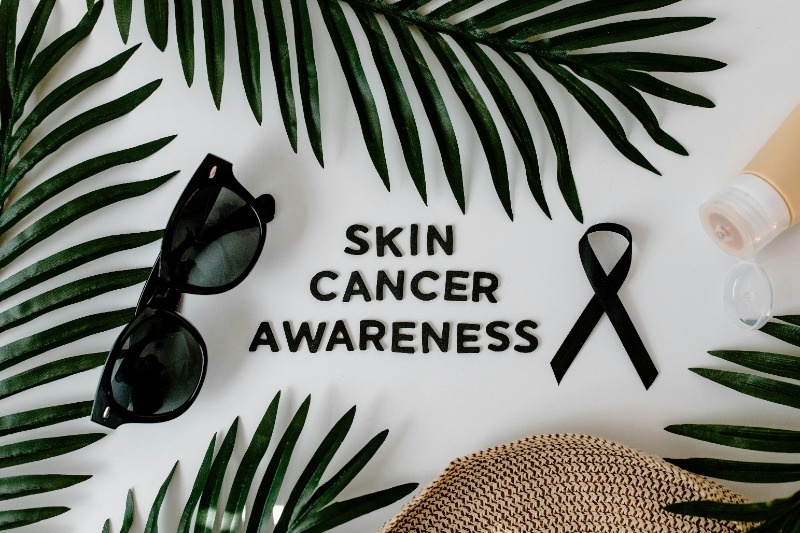
During the month of May - Melanoma and Skin Cancer Awareness Month – join us in sharing the message that skin cancer is preventable. Practice sun safety to prevent sun damage and get regular skin cancer screenings for early detection.
Locally, Clay County ranks 5th highest for rates of skin cancer, while Adams County ranks 26th, when compared to all 93 Nebraska counties. While Webster and Nuckolls counties have fewer diagnosed cases, it is important to know that the risk of skin cancer is more about how well you protect your skin from sun damage, rather than where you live in the health district.
Types of Skin Cancer. There are three main types of skin cancer: basal cell, squamous cell and melanoma. Basal cell and squamous cell cancers are the most common skin cancers and seldom become life threatening. These cancers can be removed, but this can cause scarring and disfigurement of the affected area, which most often is the face, nose and ears. Melanoma is the most serious type of skin cancer. It can be cured when found early, but melanoma that spreads and reaches internal organs can be fatal.
Some People Have Higher Risk. Exposure to ultraviolet (UV) radiation from the sun -- or from artificial sources like tanning beds -- is the most common cause of skin cancer. UV rays can damage DNA, which is the genetic material in our cells. DNA damage in skin cells can lead to skin cancers.
Anyone, no matter their skin tone, can get skin cancer. But, if you have lighter natural skin color or skin that burns easily or forms freckles in the sun, your risk of getting skin cancer is higher.
Family history or having close relatives who have had melanoma also puts you at higher risk.
Water and pool environments add to the risk because water reflects the sunlight, which means your skin can be exposed to UV rays coming from many directions.
If you experienced sunburns early in life or spend time working or playing in the sun, your risk is higher. In fact, having five or more sunburns doubles your risk for melanoma!
Importance of Screening. If skin cancer is diagnosed at an early stage, the outcomes can be much better. Do a skin self-exam once a month to check for any new growth or changes in existing moles or other spots. Regular skin exams are often part of routine health checkups – and people at higher risk of melanoma, should get screened every year.
Prevention. What can you do to prevent skin cancer? Make sun safety part of your everyday practices, all year ‘round!
1. Seek shade, especially during midday hours. Limit sun exposure between 10 a.m. and 4 p.m., when the sun’s rays are strongest. Even on an overcast day, up to 80 percent of the sun’s UV rays can get through the clouds. Schedule swim lessons and outdoor activities earlier in the morning or later in the afternoon. Stay in the shade as much as possible throughout the day.
2. Wear a wide-brimmed hat, sunglasses, and protective clothing to protect your skin and your eyes. If you plan on being outside on a sunny day, cover as much of your body as possible.
3. Use a “broad spectrum” sunscreen with a “sun protection factor” (SPF) of 30 or more to protect exposed skin. “Broad spectrum” protection means the sunscreen blocks more ultraviolet radiation. SPF represents the degree to which a sunscreen can protect the skin from sunburn. Be sure to choose a sunscreen that is water resistant which means it will stay on your skin longer, even if it gets wet. When applying, use a generous amount and don’t forget to protect your ears, nose, lips, back of your neck and tops of feet. Sunscreen works best when used with shade or clothes, and it must be re-applied every 2 hours, and after swimming, sweating, or toweling off.
4. Check your skin monthly and look for changes in the number, size, shape and color of spots on your skin. Melanoma may start on your skin without warning or it may start in or near a mole or dark spot in the skin. See your doctor if you find new or changing skin coloration or growths.
Skin cancer is preventable and sun safety is never out of season. So, whenever you are outdoors working, exercising, or just enjoying the sun, make sure you are well protected from its rays. Block the sun, not the fun!
For more information on skin cancer and how to prevent it, visit the American Academy of Dermatology at https://www.aad.org/public/diseases/skin-cancer. Melanoma skin cancer rates by county are from the National Cancer Institute’s State Cancer Profiles, using the latest 5-year (2018-2022) average.
Michele Bever, PhD, MPH, is the executive director for South Heartland District Health Department, serving Adams, Clay, Nuckolls and Webster counties in Nebraska. She may be reached at 402.462-6211.
##