
Healthy News -- Radon
Issue 1 | January 2026
January 07, 2026
 Launch the media gallery 1 player
PROMOTE January is Radon Action Month, a time to raise awareness about the importance of testing for radon in homes, businesses, and other buildings that may contain this dangerous gas. Radon is an odorless, colorless, radioactive gas found in the soil, air, and water, but can also accumulate indoors, posing a serious. health risk.
PREVENT Nebraska has a high prevalence of radon, with more than half of the radon tests conducted in the state exceeding the action level of 4 pCi/L. The average radon level in Nebraska is 5.8 pCi/L. Radon is the second leading cause of lung cancer in U.S., causing up to 21,000 lung cancer deaths every year.
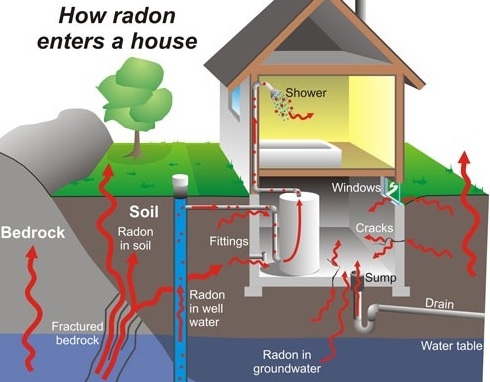
Radon is naturally occurring gas produced by the breakdown of uranium, thorium, or radium - all of which are radioactive metals found in rock, soil, or water. As a result, radon can accumulate in a house or buildings through cracks and opening in foundations. It can also enter home through well water. All individuals, regard less of age, can be affected by radon exposure. However, smokers and people with pre-existing lung conditions are at particularly high risk.
Symptoms of radon exposure are not immediate; however, long-term health effects such as lung cancer can develop after prolonged exposure over many years. Children, whose developing lungs are more sensitive to carcinogens, are also more vulnerable to the effects of radon.
PROTECT Testing your home for radon is essential, as many homes – even newly built ones – can have elevated radon levels. If levels exceed the recommended action level of 4.0 pCi/L, mitigation systems can reduce concentrations and lower health risks. To get a test kit, contact:
|
|
|
Questions: Talk to a healthcare provider or contact South Heartland District Health Department, 606 Minnesota Ave, Hastings, NE, 402-462-6211.
A printable copy of this newsletter